Díaz-Canel acknowledges the decline of public health in Cuba
Díaz-Canel publicly acknowledges figures showing the decline of the health system, including tens of thousands of children with incomplete vaccination schedules.
Official claim
A recurring phrase in state media, diplomatic summits and official speeches.
The documented reality
461 of the 651 essential medicines are missing, more than 100,000 people are waiting for an operation, and infant mortality has risen from 4–5 to 9.3 per 1,000 live births, according to the government's own figures.
Every entry links to its original source.
Díaz-Canel publicly acknowledges figures showing the decline of the health system, including tens of thousands of children with incomplete vaccination schedules.
The regime officially admits a 70% shortage of essential medicines in state pharmacies and hospitals across Cuba.
Coverage of the drop in annual surgeries in Cuba, from roughly 1.2 million to 700,000, and the long waitlists acknowledged by the Health Ministry.
In a video to the BRICS health ministers, Portal Miranda defended universal access; that month more than 100,000 people awaited surgery and 16,000 Cuban health professionals worked in 50 countries.
Deputy Prime Minister Eduardo Martínez Díaz acknowledged on state TV that more than 100,000 people, 10,000 of them children, are waiting for surgery, and infant mortality has risen to 9.3 per 1,000.
Health Minister José Ángel Portal Miranda tells the AP that the fuel shortage now threatens patients' basic safety; ambulances are stranded without fuel.
In an AP interview, Health Minister José Ángel Portal Miranda said 5 million chronic patients will see their treatment affected and some hospitals face blackouts of up to 20 hours a day.
A Cuban doctor describes in an exclusive interview how Cuban intelligence (G2) surveils and controls health professionals on medical missions in Venezuela.
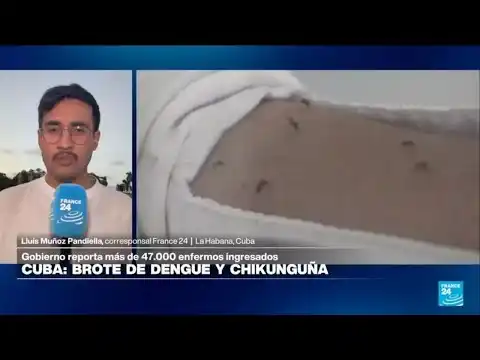
A report from Havana on the dengue and chikungunya outbreak, linked to accumulated garbage and the lack of fumigation.
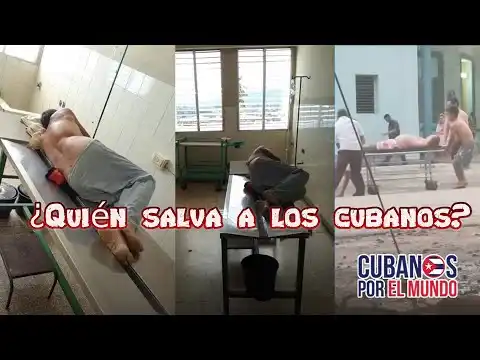
A report on Cuban hospitals in disrepair and ambulances out of service for lack of parts and fuel.
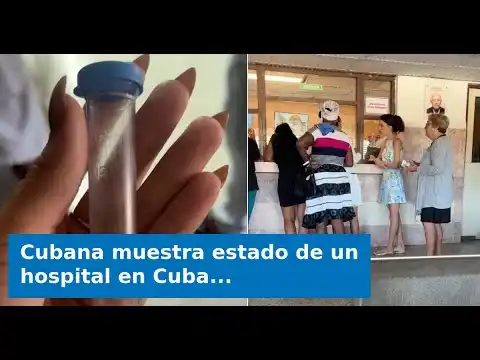
A Cuban woman documents the Faustino Pérez hospital in Matanzas and describes how her family had to bring their own syringes for a patient to be treated.
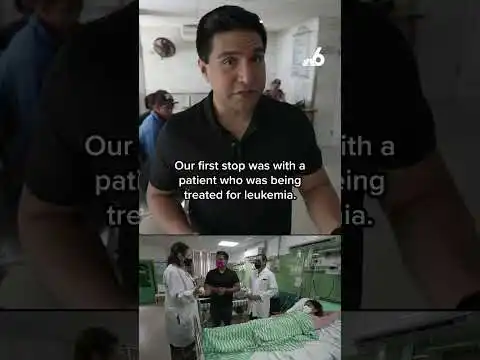
Rare access inside Havana's Institute of Hematology, where a leukemia patient must stay admitted for weeks because of blackouts and the fuel shortage.
Citizen reports reveal emergency rooms lack syringes and painkillers, forcing patients to supply their own materials.
Human Rights Foundation documents coercive practices the Cuban state uses on doctors in its overseas medical missions to keep them from defecting.
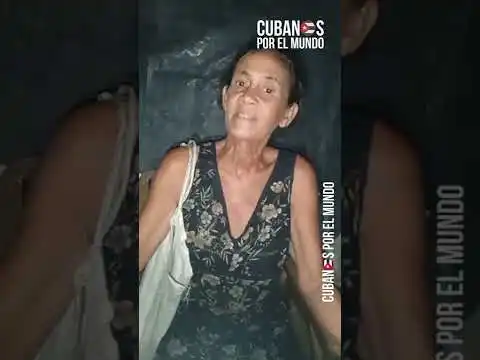
A mother denounces on camera the denial of medical care and mistreatment of her imprisoned son, who has mental-health conditions.