Realidad Cubana: the regime’s myths, set against reality
1 / 7 · Health
Official claim
“Cuba is a medical powerhouse.”
A recurring phrase in state media and official speeches.
The reality
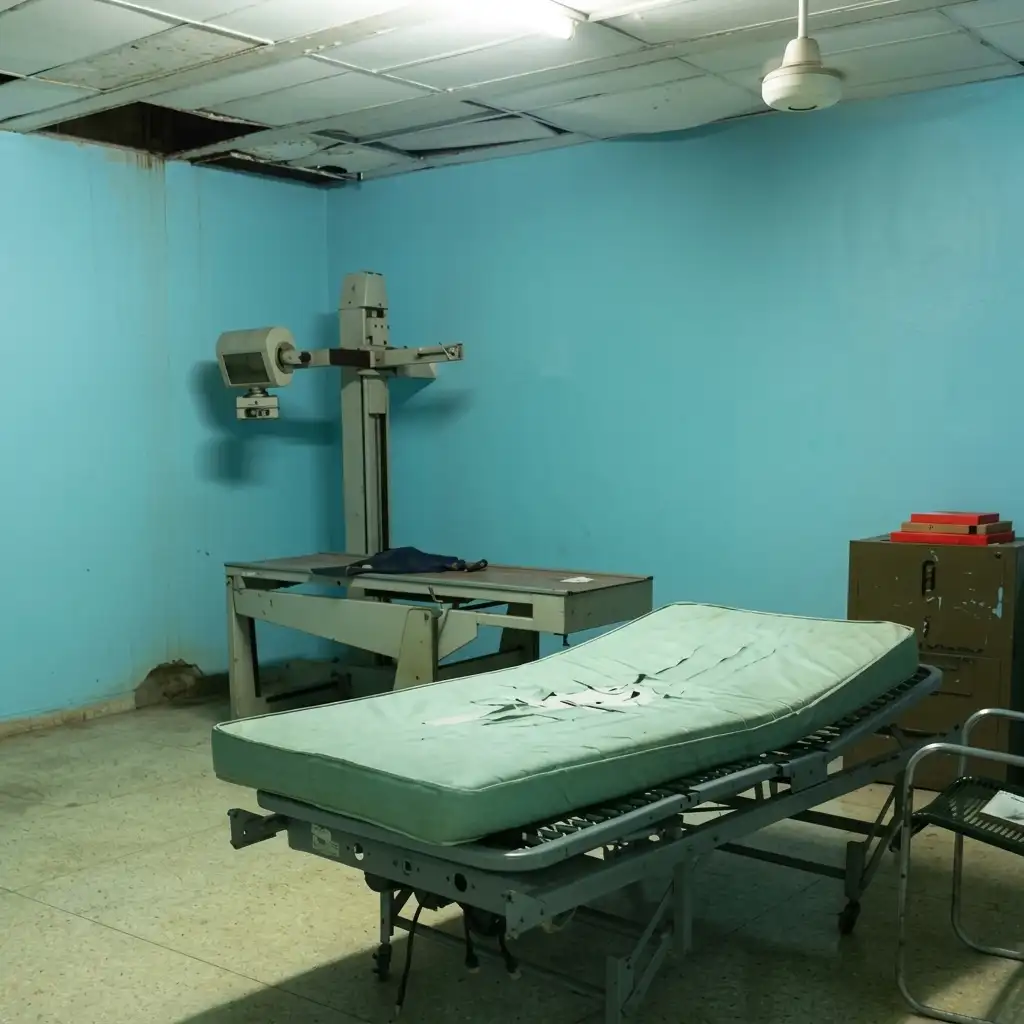
The regime sells its doctors as the best in the world. How, when neither the medical schools nor the hospitals have equipment, let alone sanitary conditions, and the buildings are falling apart?
Purpose of the propaganda
To bring in hard currency by selling doctors' services abroad (confiscating up to 80% of their pay) and to emotionally blackmail the people into believing that health care is a gift from the Revolution.
Official claim
“The socialist system eradicated extreme poverty and guarantees food through the ration book.”
A recurring phrase in state media and official speeches.
The reality
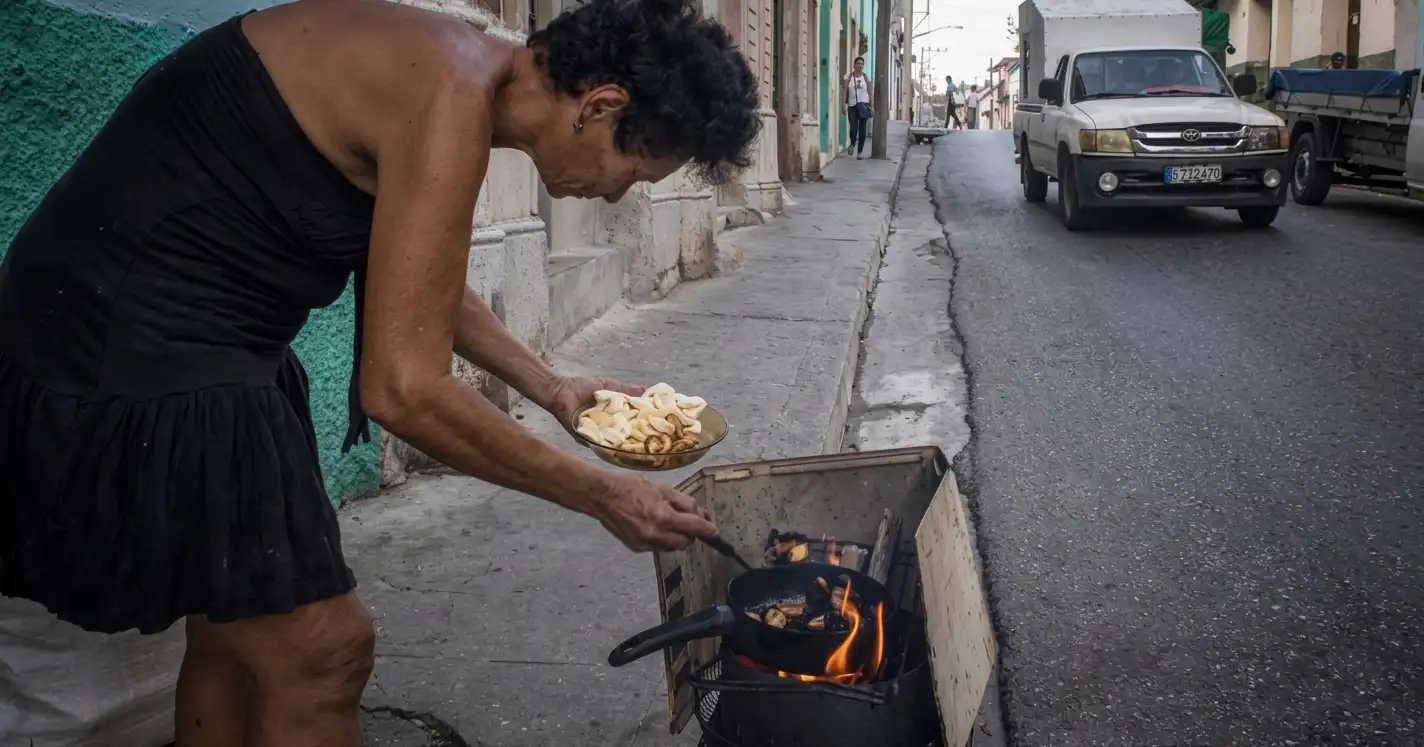
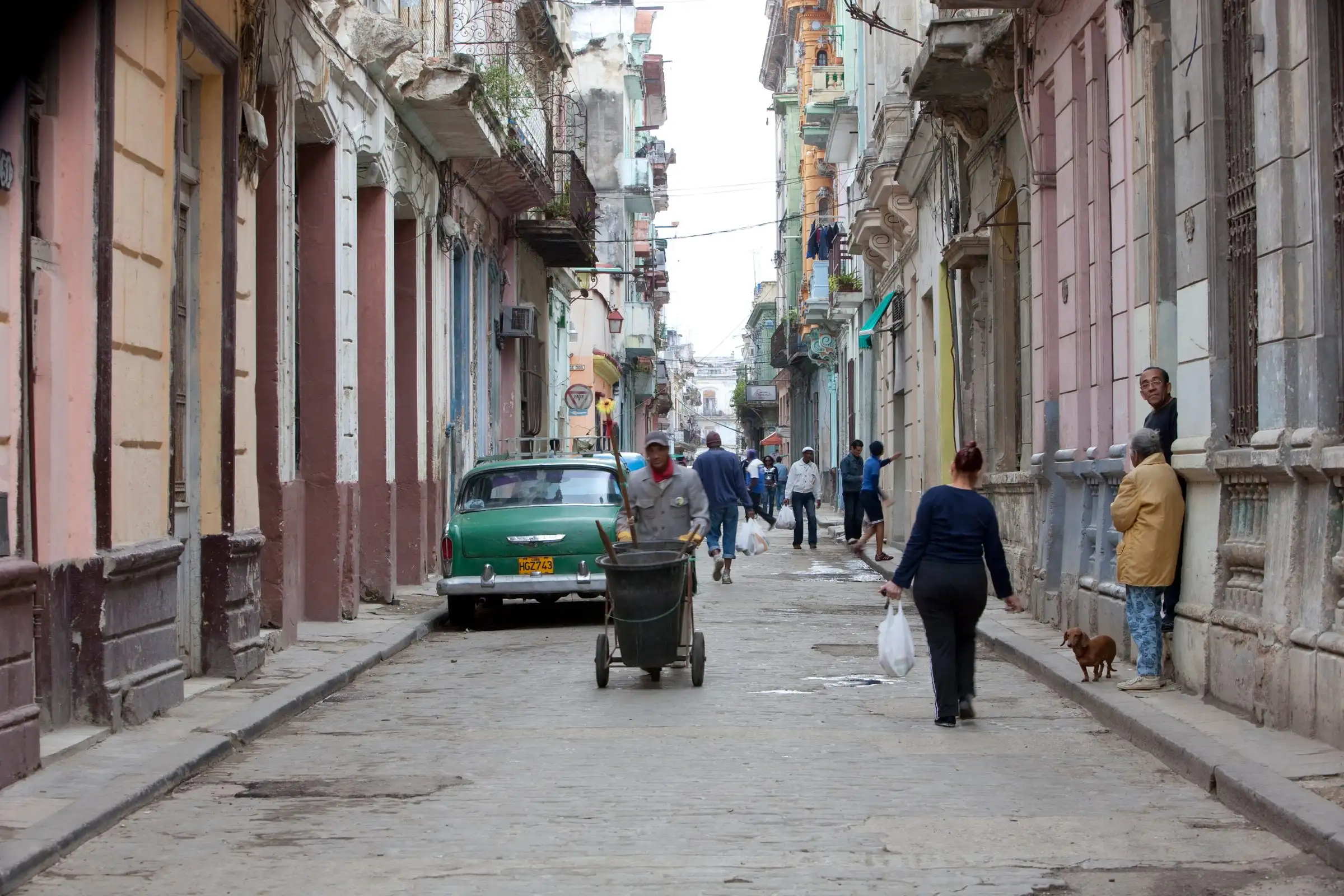
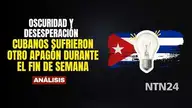
94% of Cubans live in extreme poverty, according to the Cuban Observatory for Human Rights (OCDH), using the World Bank's international thresholds. The libreta (ration book) has collapsed: 8 out of 10 people go hungry or skip meals (9 out of 10 among the elderly), and only 18% of homes are in good condition.
Purpose of the propaganda
To use rationing as a tool of social control, keeping the population exhausted from searching for food and preventing the organization of political protests.
Official claim
“The blackouts are a temporary problem caused by the U.S. embargo.”
A recurring phrase in state media; the full version blames the outages entirely on sanctions that prevent the purchase of fuel and parts.
The reality
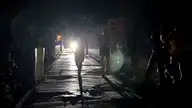
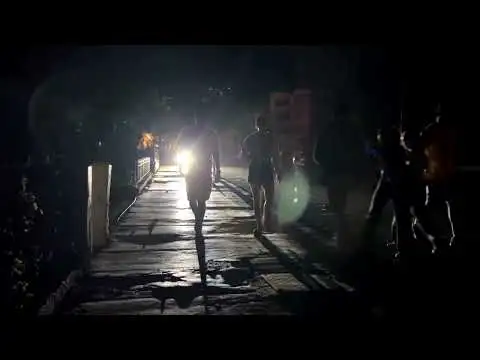
The power system has gone without maintenance for decades. In September 2026 demand stood at around 3,200 MW and available generation at barely 1,100 MW: shortfalls of more than 2,100 MW, with 106 distributed generation plants shut down. In July 2026 the national grid collapsed three times in eight days, and 95% of Cubans rate the power grid as “bad.”
Purpose of the propaganda
To blame an external enemy for the government's own lack of investment, and to portray protests over the lack of power and water as destabilization promoted from abroad.
Official claim
“Cuba is the victim of a total ‘genocidal blockade’ imposed by the United States.”
A recurring phrase in state media and official speeches; the full version adds that it prevents Cuba from trading, buying food or medicine, and developing its economy.
The reality
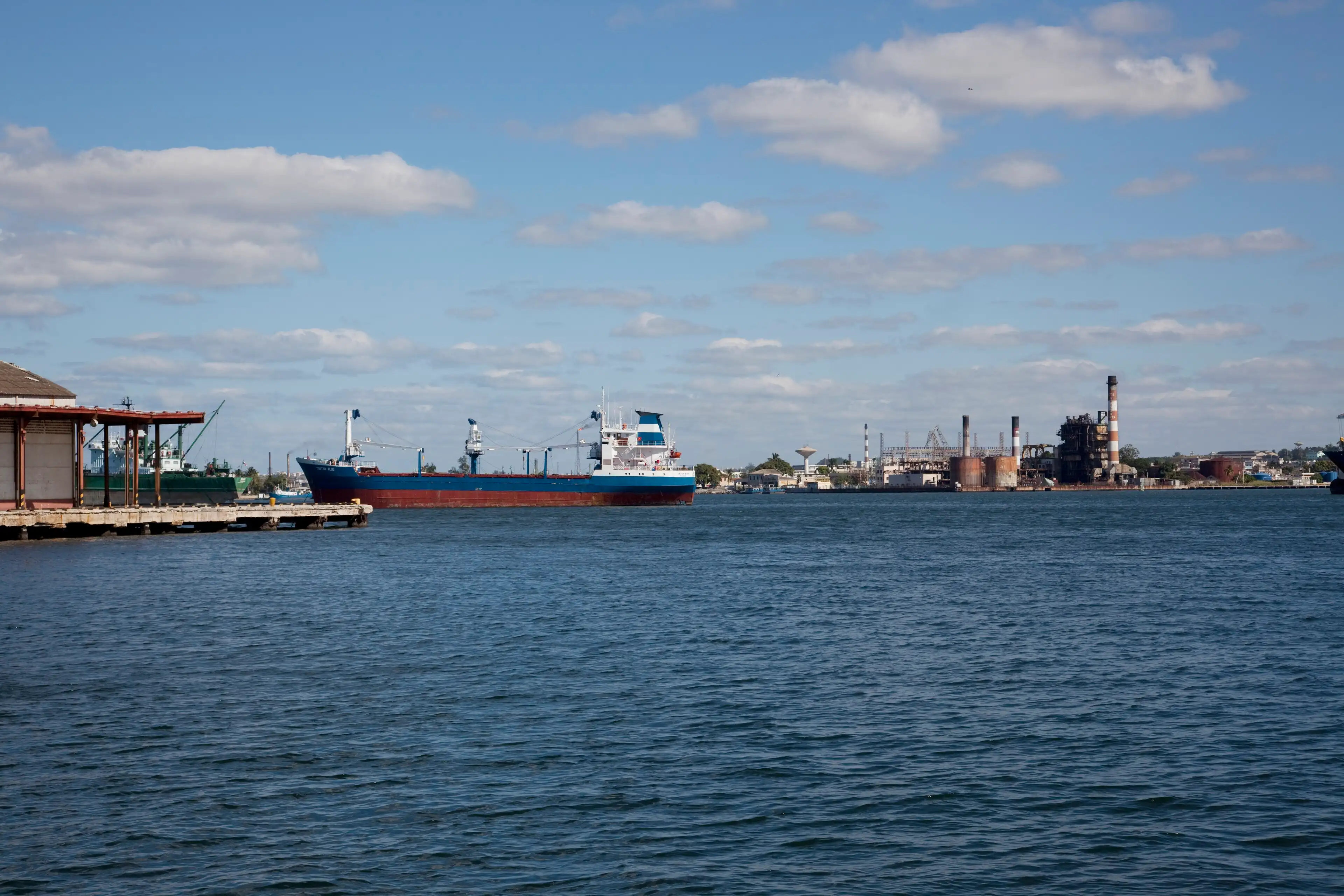
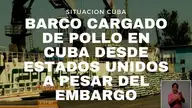
Cuba actively trades with more than 100 countries, and the U.S. is one of its main food suppliers, selling it hundreds of millions of dollars a year in chicken, grains and medicine under legal exceptions in force since 2000. Its economic paralysis is the result of systematic non-payment of its foreign debts and a stifling “internal blockade” that destroys domestic production.
Purpose of the propaganda
To justify the collapse of the communist model by blaming an external enemy, excuse official inefficiency, and hide the “internal blockade” imposed by the military conglomerate GAESA.
Official claim
“Che was a romantic, humanist hero who fought for justice and the dignity of the oppressed.”
Official iconography (the Young Pioneers’ motto “We will be like Che!”, his face on the 3-peso note) and its worldwide spread as a pop icon.
The reality
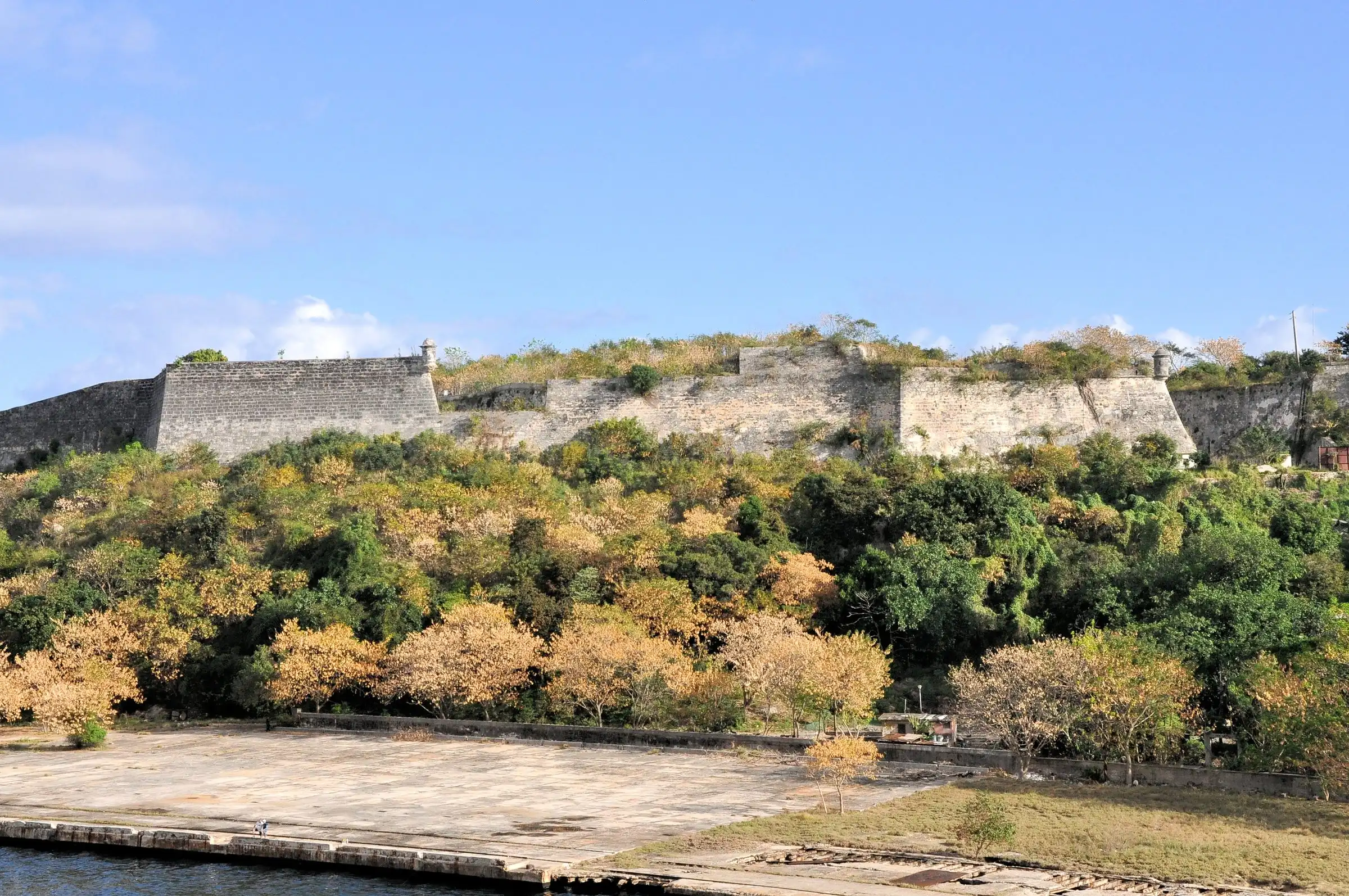
Guevara ran La Cabaña fortress from January 1959 and had the final word on appeals in summary trials that often lasted minutes. Archivo Cuba documents, by name and date, more than 70 executions at La Cabaña under his command. In 1964, at the UN, he admitted it: “we have executed people; we are executing people and shall continue to execute people as long as it is necessary.”
Purpose of the propaganda
To sell young people and intellectuals worldwide an image of idealistic rebellion that covers up executions without due process, and to present intransigence and hatred of opponents as virtues of the “new man.”
Latest entries
The latest, across every sector
Every entry is dated, placed and linked to its author. The site hosts no video: it points to the original.
 Article
A 2,168 MW shortfall in the power system, September 2026
 Article
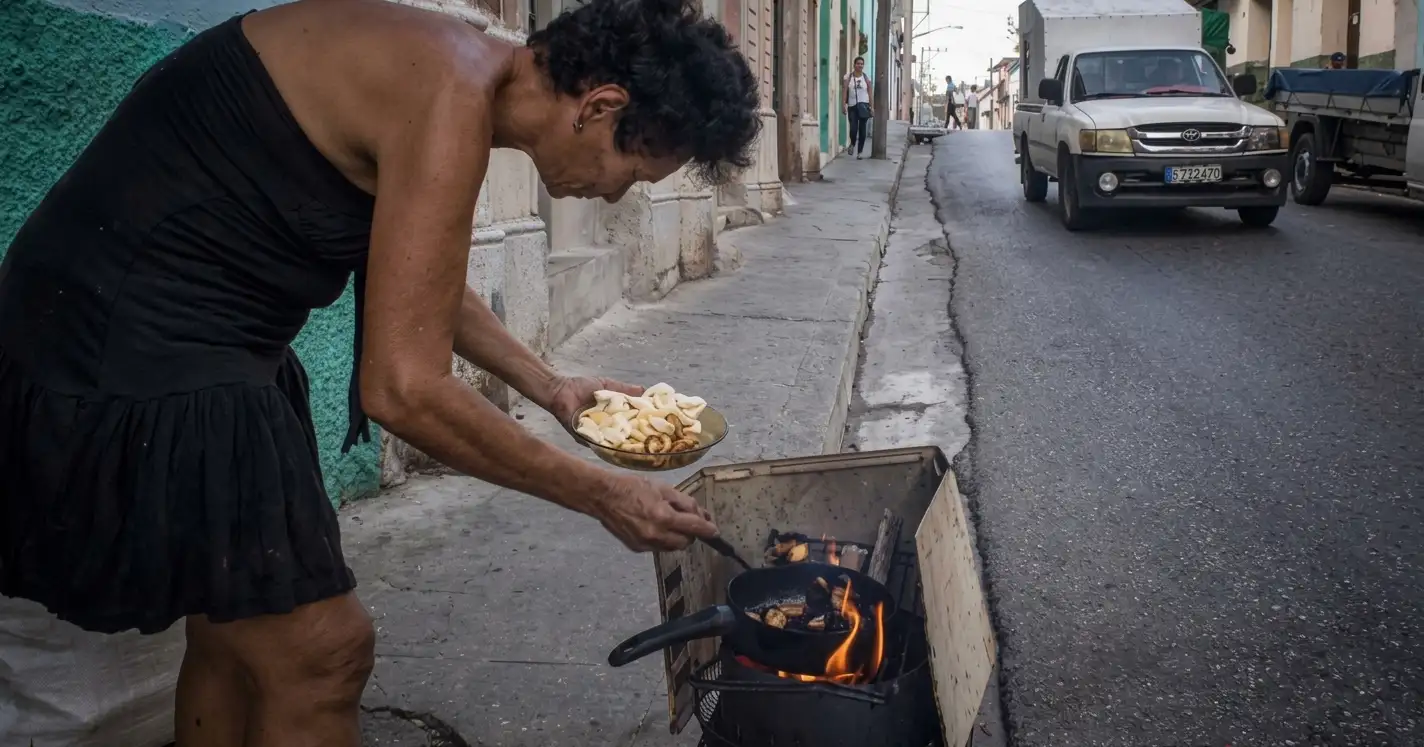
A minimum wage of 2,100 pesos against a 4,300-peso carton of eggs
 Video
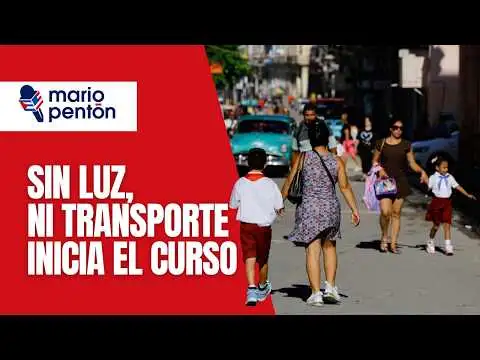
The uniform can't hide the crisis: how the school year begins in Cuba
 Video
El Fanguito residents protest after a weekend of blackouts
 Video
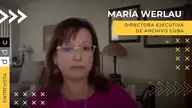
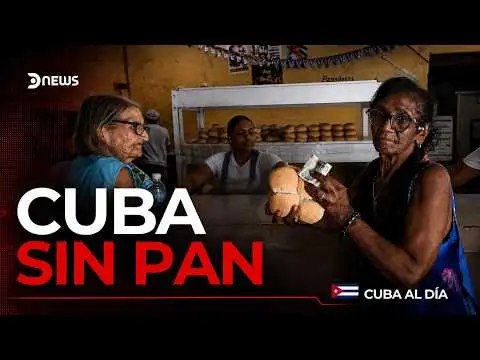
94% of Cubans live in extreme poverty: hunger, blackouts and lack of water
Article OCDH report: 94% of Cubans live in extreme poverty
Memory · 1959–present
Documented events
And much more
The archive, by section
Sectors
Health · Housing · Food · Transportation · Blackouts · Work · Education
Figures
Those who document and resist, past and present
Political prisoners
Cases with public testimony; the official list is at Prisoners Defenders
Memory
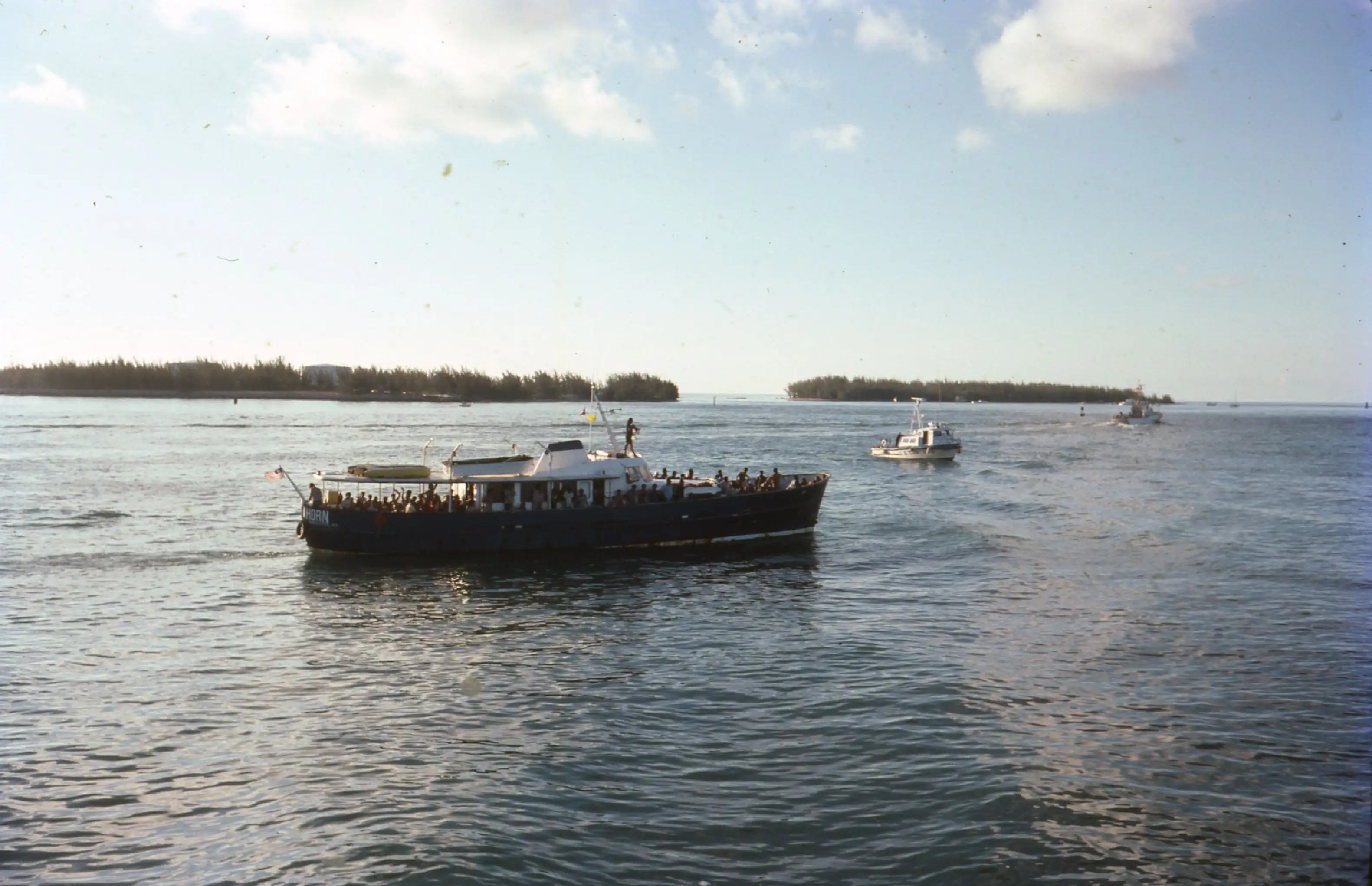
Dated events with a list of sources
Protests
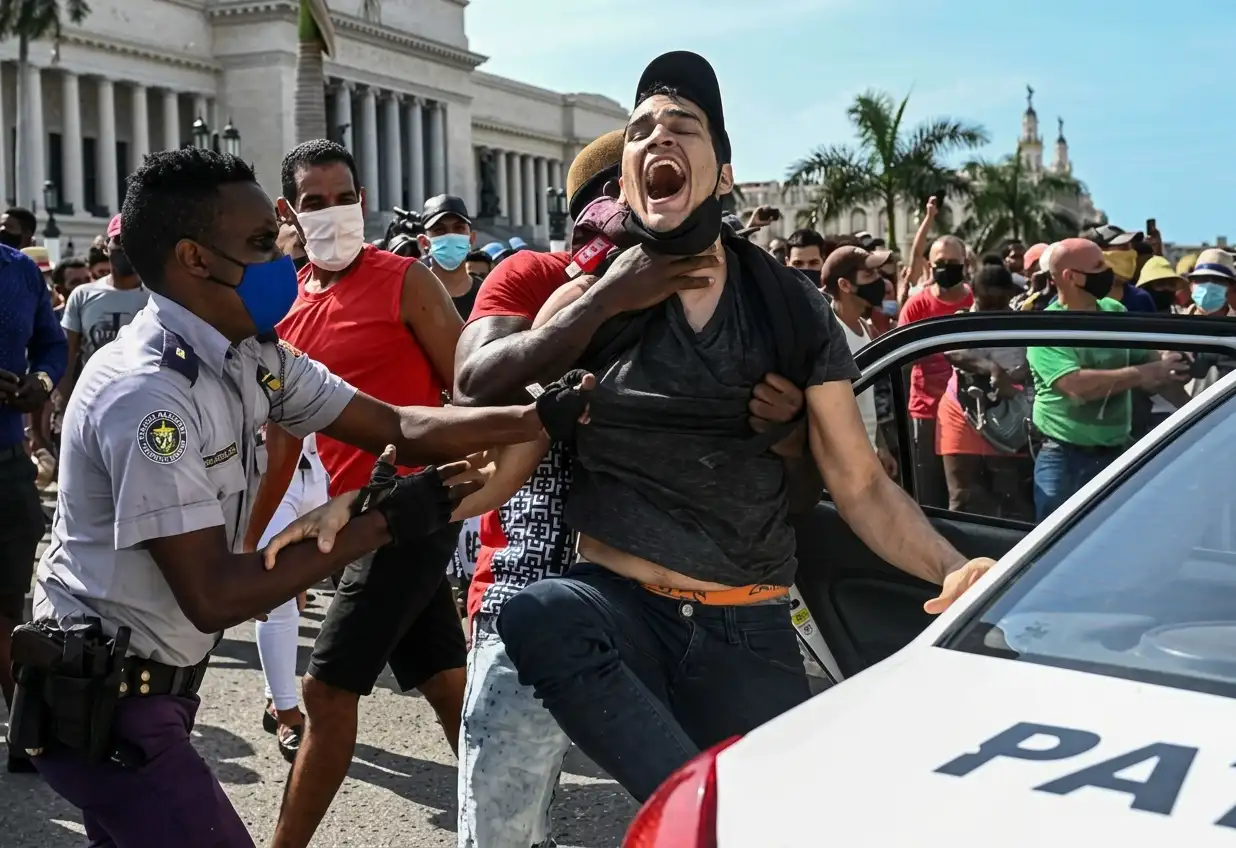
11J and everything that came after, with place and date
Responsible
Political, military and propaganda officials, sourced and sanctioned