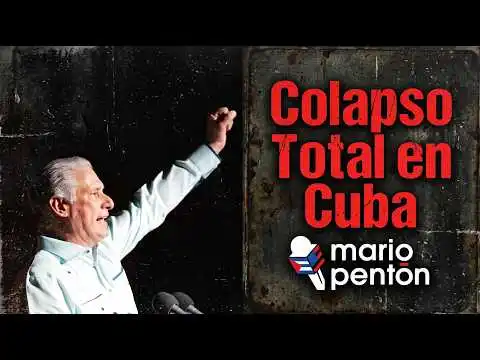
Díaz-Canel acknowledges the decline of public health in Cuba
Díaz-Canel publicly acknowledges figures showing the decline of the health system, including tens of thousands of children with incomplete vaccination schedules.
Sector directory
Each sector answers one official claim with documentary evidence, figures the state itself has admitted and citizens’ own reports.
Díaz-Canel publicly acknowledges figures showing the decline of the health system, including tens of thousands of children with incomplete vaccination schedules.
The regime officially admits a 70% shortage of essential medicines in state pharmacies and hospitals across Cuba.
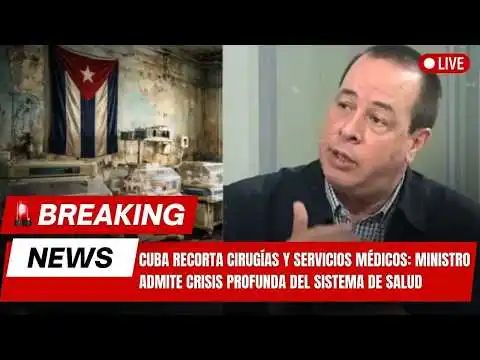
Coverage of the drop in annual surgeries in Cuba, from roughly 1.2 million to 700,000, and the long waitlists acknowledged by the Health Ministry.
In a video to the BRICS health ministers, Portal Miranda defended universal access; that month more than 100,000 people awaited surgery and 16,000 Cuban health professionals worked in 50 countries.
Deputy Prime Minister Eduardo Martínez Díaz acknowledged on state TV that more than 100,000 people, 10,000 of them children, are waiting for surgery, and infant mortality has risen to 9.3 per 1,000.
Health Minister José Ángel Portal Miranda tells the AP that the fuel shortage now threatens patients' basic safety; ambulances are stranded without fuel.
In an AP interview, Health Minister José Ángel Portal Miranda said 5 million chronic patients will see their treatment affected and some hospitals face blackouts of up to 20 hours a day.
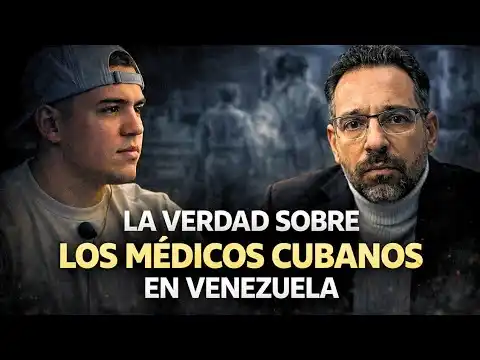
A Cuban doctor describes in an exclusive interview how Cuban intelligence (G2) surveils and controls health professionals on medical missions in Venezuela.
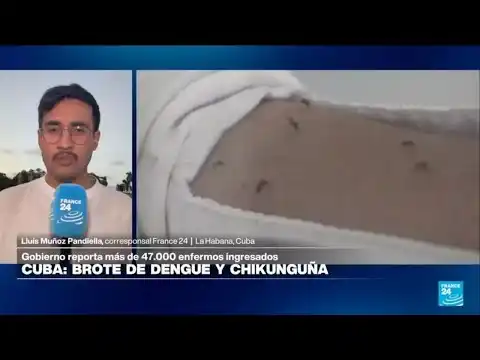
A report from Havana on the dengue and chikungunya outbreak, linked to accumulated garbage and the lack of fumigation.
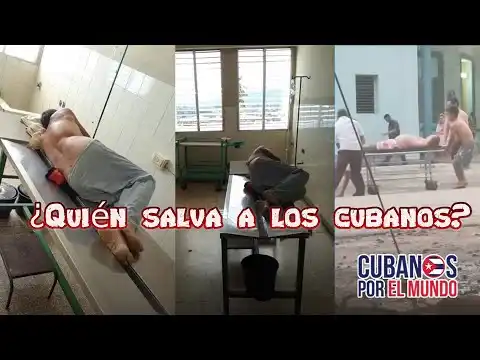
A report on Cuban hospitals in disrepair and ambulances out of service for lack of parts and fuel.
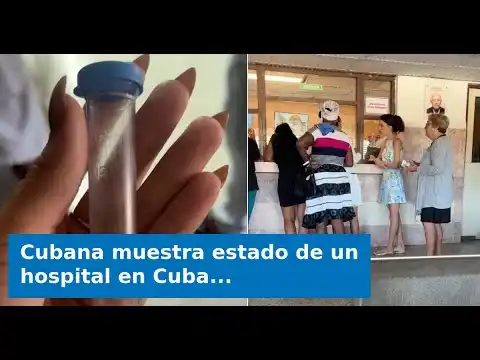
A Cuban woman documents the Faustino Pérez hospital in Matanzas and describes how her family had to bring their own syringes for a patient to be treated.
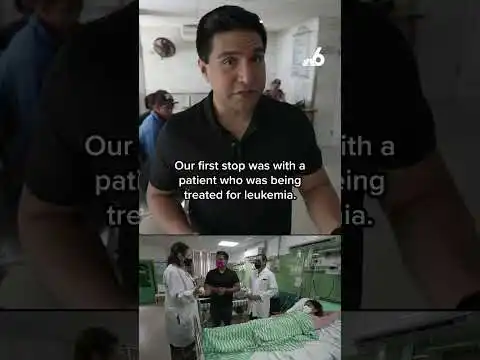
Rare access inside Havana's Institute of Hematology, where a leukemia patient must stay admitted for weeks because of blackouts and the fuel shortage.
Citizen reports reveal emergency rooms lack syringes and painkillers, forcing patients to supply their own materials.
Human Rights Foundation documents coercive practices the Cuban state uses on doctors in its overseas medical missions to keep them from defecting.
A mother denounces on camera the denial of medical care and mistreatment of her imprisoned son, who has mental-health conditions.
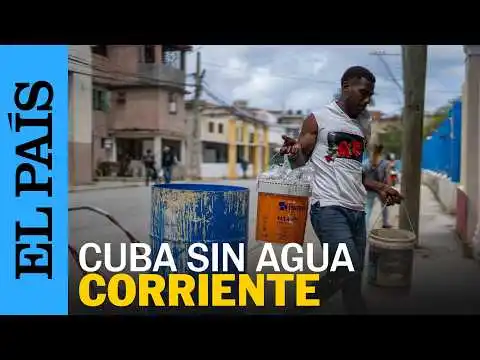
A report on Havana residents who depend on water-delivery trucks to get water, amid the fuel crisis.
Official 2025 data put Cuba's housing shortfall at 805,583 homes; according to the OCDH, only 18% of households live in a home in good condition.
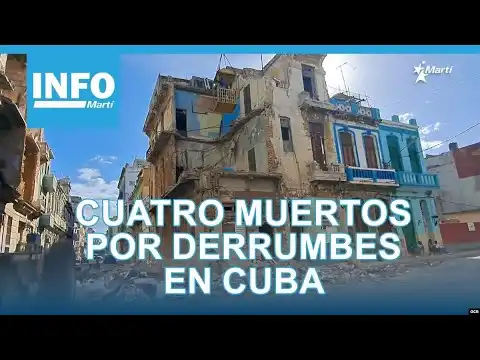
Two building collapses, in Diez de Octubre and Old Havana, leave four people dead.
Coverage of a fatal building collapse in Old Havana, an example of the housing deterioration documented by the OCDH.
USDA data show Cuban chicken purchases in April 2026 exceeded January's; in 2022 chicken was more than 85% of the $328.5 million Cuba spent on US food.
In Guantánamo, the ration basket arrives with rice and sugar below planned amounts, without oil or coffee for months and with delays, according to 14ymedio; the situation is repeated across the country.
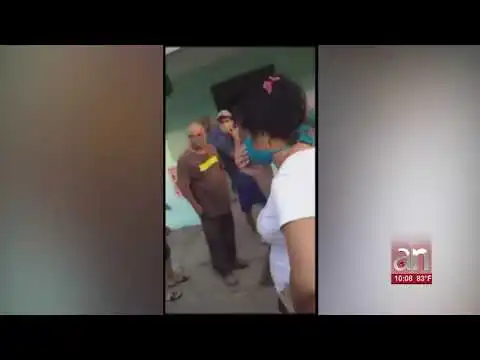
A fight breaks out in a line to buy chicken, reflecting the tension caused by the scarcity of basic foods.
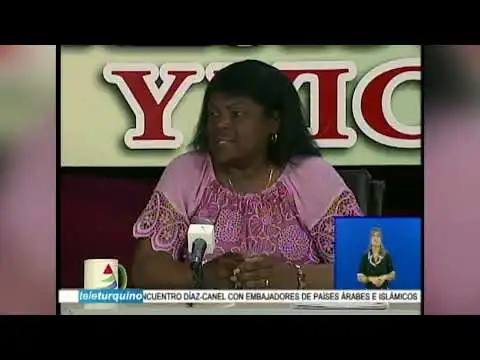
On a Santiago de Cuba state TV program, an official admits live on air that there isn't enough flour to guarantee the bread ration.
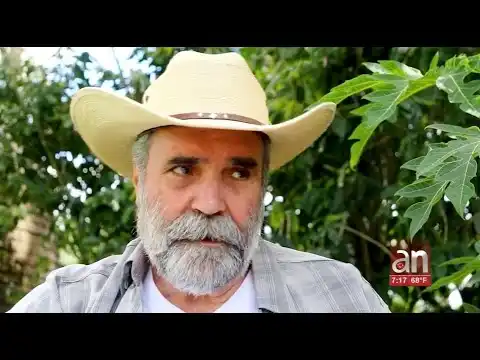
A Cuban farmer denounces on camera the low, state-imposed prices the Acopio monopoly pays for milk and cattle.
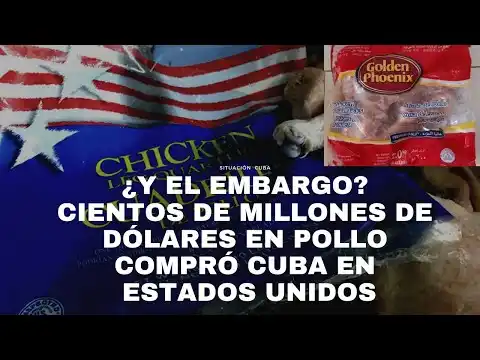
A report on Cuba's purchases of US chicken, exceeding $250 million a year despite the official embargo narrative.

Footage of a ship from the United States being unloaded, carrying several containers of frozen chicken, at a Cuban port.
In March 2026 the transport minister acknowledged that only a quarter of provincial buses are running and one train leaves every eight days.
On September 15, 2026 the generation shortfall reached 2,168 MW; the next day availability was forecast at 1,100 MW against demand of 3,200 MW.
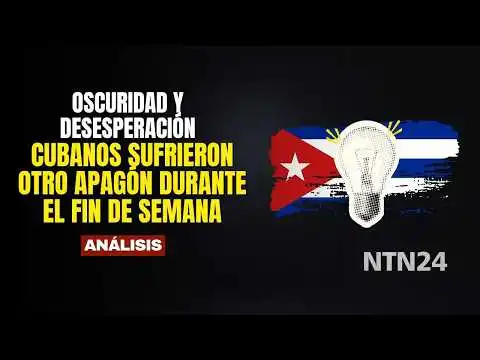
NTN24 report: residents of El Fanguito, a Havana neighborhood, took to the street to protest prolonged blackouts and lack of services.
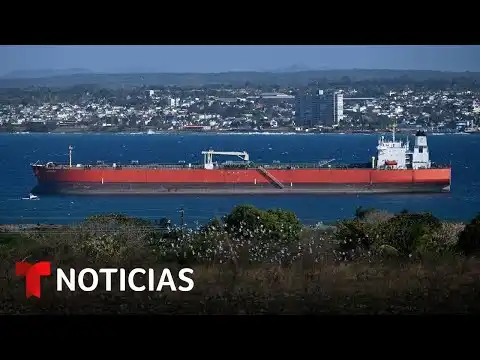
A Russian oil tanker docks in Matanzas carrying nearly 100,000 tons of crude, evidence of Cuba's active trade with other countries despite the "total blockade" narrative.
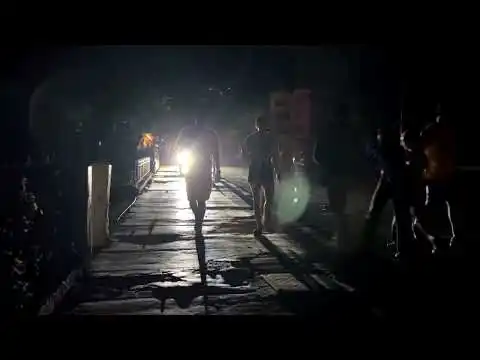
Reuters video: Cuba's national grid collapsed late on Friday, March 14, 2025, leaving the whole country without power.
In September 2026 a carton of eggs cost 4,300 pesos on the informal market, more than the state minimum wage of 2,100 pesos and the minimum pension of 3,056.
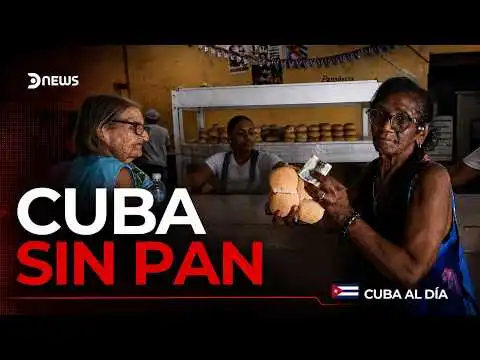
Cuba al Día (DNews) segment walking through the OCDH report's figures on extreme poverty, skipped meals, blackouts and water shortages.
The Cuban Observatory for Human Rights' ninth social-rights report puts 94% of Cubans in extreme poverty, excluding remittances; 68% of households earn under 20,000 pesos a month.
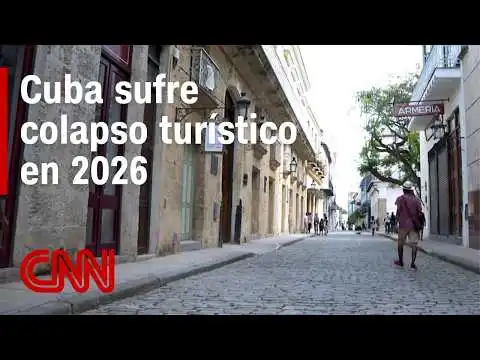
Footage of empty streets and closed or barely-occupied hotels, even as the state keeps prioritizing hotel investment.
Labor Minister Marta Elena Feitó resigned on July 15, 2025, a day after telling a National Assembly committee that people begging on the street were 'disguised' as beggars.

Elderly people describe going three days without eating and ask for help amid the lack of food.
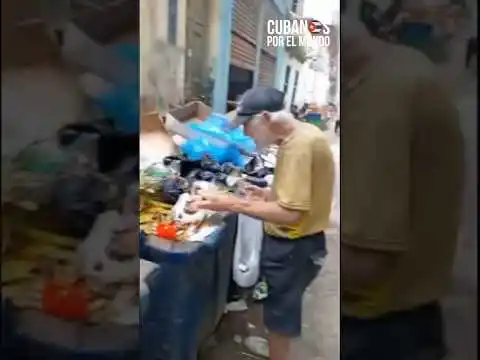
Footage documenting elderly people searching for food in garbage containers in Cuba.
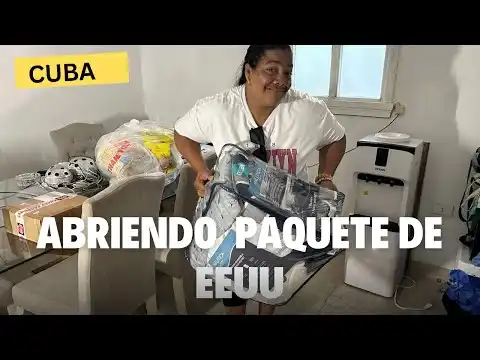
A Cuban family opens a package of clothes, food and medicine sent by relatives in the United States, illustrating how dependent daily life is on remittances and care packages.
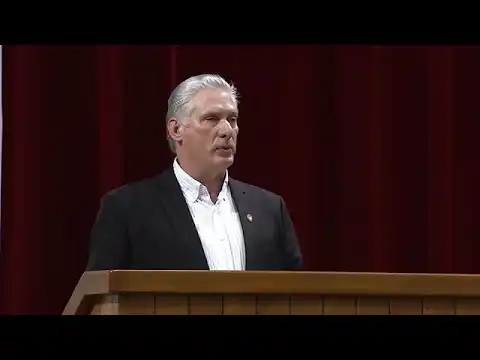
A speech by Díaz-Canel to the National Assembly attributing the economic crisis to the US embargo.
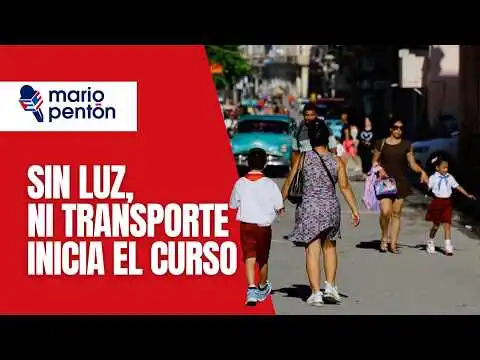
The school year starts with a shortage of uniforms, a teacher deficit above 25%, and blackouts disrupting classes.
In May 2026, Camagüey reported a shortfall of 2,468 teachers and 19 closed schools, and Sancti Spíritus filled only 68.2% of its teaching posts.